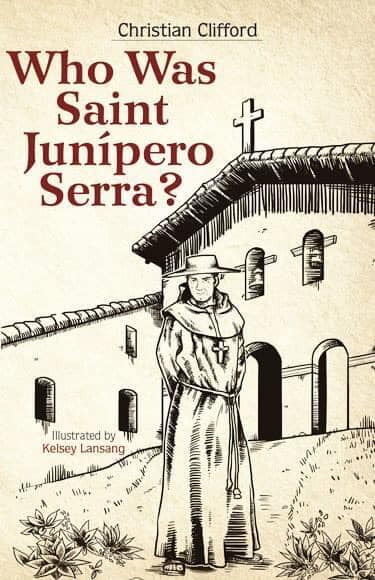
Where Does the Statue Controversy End?

(originally published Oct. 26, 2017  in Catholic San Francisco)

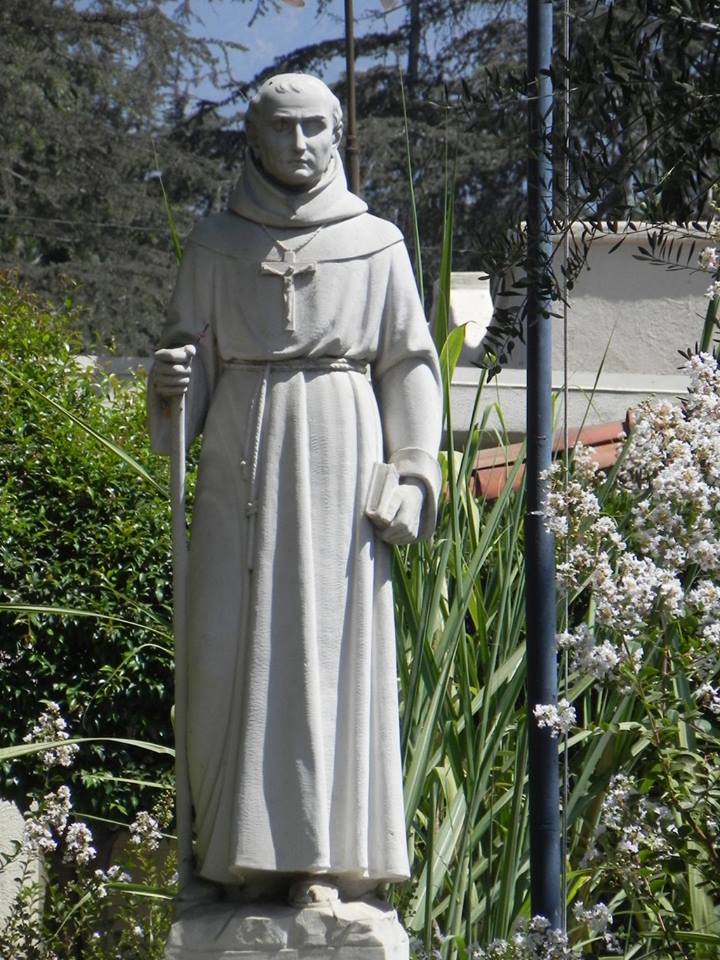
The San Francisco Arts Commission voted unanimously on October 2 to recommend to the San Francisco Historic Preservation Commission the possible removal of the “Early Days” sculpture of the Pioneer Monument”. One of the three figures on the sculpture is a Franciscan priest. The timing of the push to remove the “Early Days” statue of the Pioneer Monument in San Francisco coincided with the removal of Confederate statues in the South, anti-Columbus Day news, when many were celebrating National Hispanic Heritage Month, and the recent vandalism of memorials of the 18th century Franciscan, Saint Junípero Serra, who brought Catholic Christianity to California. Are those demanding removal of “Early Days” barking up the wrong tree?

Saint Junípero Serra, the founder of the California missions knew history and wanted to distance himself from the conquistadors and encomienda system. He wanted to change hearts and minds with the Gospel, not the sword. His heroics were recognized by the monument’s benefactors in 1894 with a portrait medallion near the “Early Days” statue. Dr. George Yagi, Jr., professor of history at San Joaquin Delta College, is not the first to argue how Junípero Serra defended the California Mission Indians against Spanish military abuse.  Like any institution, the California missions had its saints and sinners and all types in-between. The greatest tragedy was an unintended consequence of the cultural exchange—the majority of the Mission Indians died due to diseases to which they had no immunity. 

The plaque “California Native Americans” added in 1994 to the Pioneer Monument rightly notes that pre-contact with Europeans, the California Indian population was estimated to be 300,000. Historian James A. Sandos argued in Converting California that the overall population dropped 21 percent by 1830, just before Mexico took possession of California. Regarding the Indians in the area of mission influence, he notes from 1770-1830, the population declined from 65,000 to 17,000, a loss of 74 percent. Scholar Barry Pritzer estimates by the end of the 19th century there were 15,000 California Indians.  Therefore, the near annihilation of the California Indians came during the Gold Rush from the 49ers and with the blessing of the government of California. The native got in the way of so-called progress and genocide ensued. 

Accusation does not mean guilt. California Mission history is complex and generalizations, when looking at any history, should be avoided. It would be crazy to believe that all Pueblo Indians were bad because of Popé, the religious leader who headed the Pueblo Revolt in 1680 that killed 400 Spanish and relocated 2,000 settlers. Yet Popé has been honored with a statue in Washington, D.C.

If city officials are really set on righting a wrong of history, maybe they should demand that the San Francisco 49ers change its name. If they are really serious about removing offensive monuments, then they should consider the Monument to the Lincoln Brigade. The Republican forces (the side they fought for) in the Spanish Civil War (1936-1939) murdered 6,844 Catholic clerics and religious.

Yale University historian David Blight, an expert on slavery, and other historians presented a very sensible criteria when judging historical monuments: 

“ . . . discussions [should] weigh many factors, among them: the history behind when and why the monument was built. Where it’s placed. The subject’s contribution to society weighed against the alleged wrongdoing. And the artistic value of the monument itself.”

Maybe this will help the San Francisco Historic Preservation Commission avoid politicization when it comes to the fate of the “Early Days” statue of the Pioneer Monument.

PC: Joshua Sabatini, San Francisco Examiner, Mar 5, 2018.
 

_____
Christian Clifford is a veteran Catholic school teacher and author of three books about Catholic Church History in Spanish and Mexican California. Clifford’s writings have appeared in Aleteia, California Teacher, Catholic San Francisco, Catholic Standard, Crux, Patheos, and Today’s Catholic Teacher. He lives in the San Francisco Bay Area with his wife and son. For more information, visit www.Missions1769.com.
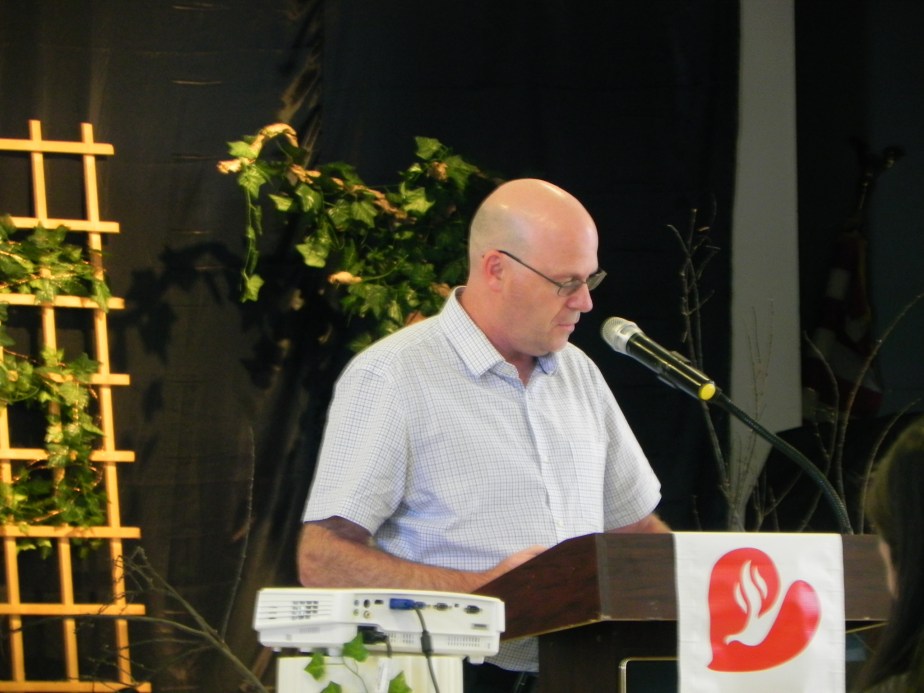
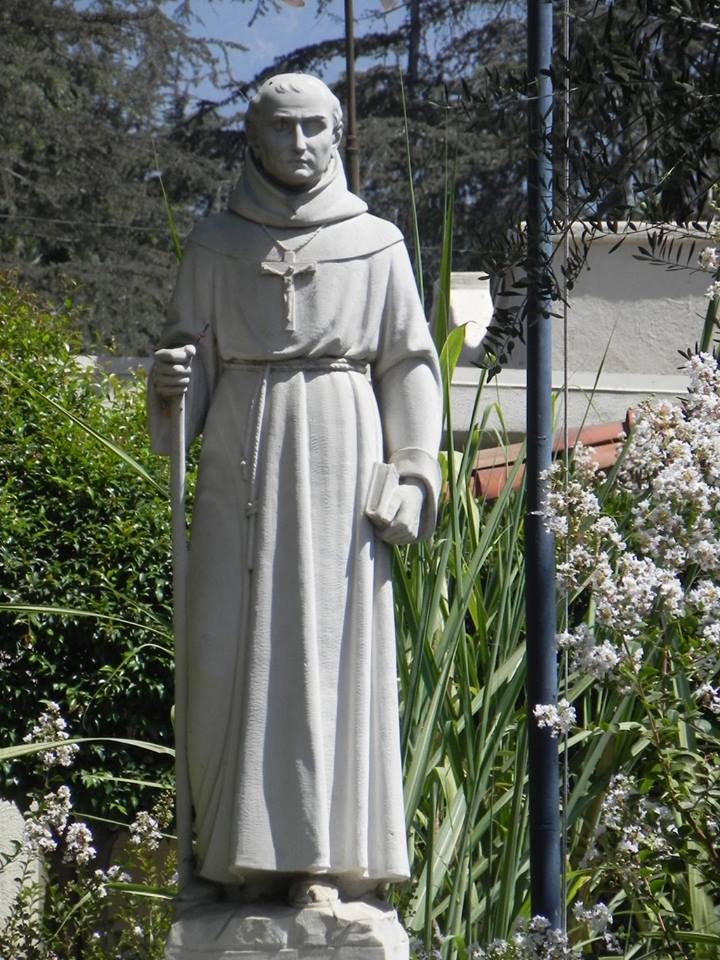
Author speaks to Young Adult Catholic Charismatics

(Press release used for “Speaker: Prayer the ‘building blocks’ for loving God and neighbor” by Nicholas Wolfram Smith, Catholic San Francisco, August 6, 2019)

Christian Clifford, author of books about California mission history, spoke on August 3, 2019, to delegates of the Bukas Loob Sa Diyos (BLD) Singles Ministry at their Singles Inter-district Conference (SIC) at St. Dunstan Parish Center in Millbrae, California.  About 150 were in attendance. Delegates came from Newark, NJ, the San Francisco bay area, Phoenix, AZ, Los Angeles, CA, Seattle, WA, Reno, NV, and Vancouver and Toronto, Canada.

According to the BLD website, “We are the Bukas Loob sa Diyos (BLD) Covenant Community. Founded in June 1985, BLD is a pioneering lay organization in the Philippine renewal movement.”

The history of Catholic charismatics, according to the website of the Catholic Charismatic Renewal National Service Committee, “The Catholic Charismatic Renewal as it exists today is the outgrowth from a retreat held in February 1967 of several faculty members and students from Duquesne University. Many of the students – though not all – experienced a movement of God’s Spirit called being ‘baptized in the Holy Spirit’ . . . . the Catholic Charismatic Renewal exists in over 238 countries in the world, having touched over 100 million Catholics in its nearly 40-year existence.”

The premise of Clifford’s presentation on prayer was how it helps one to not feel alone and despondent. He shared “. . . as an adopted son of God, I know that I walk through life with Christ and this gives me great consolation amid the great noise and confusion in the world. It is a joy that destroys the ‘watchful dragons’, to borrow a phrase from C.S. Lewis.” He continued, “I can spend lots of time talking about the formula of prayer and types of meditation. I will only briefly, however, because our Church for 2,000 years has collected so many powerful and faithful prayers in Her treasury. In short, they exist, we just need to discover them. For example, do a google search of the term CATHOLIC PRAYERS and you will get about 219,000,000 results.” At the heart of the talk was how he came to write his first book, Saint Junipero Serra: Making Sense of the History and Legacy, and how the journey since has only deepened his relationship with St. Junipero Serra. He challenged attendees to  go beyond one’s comfort zone and that there God’s grace abounds. He incorporated inspirational writings from the 18th-century Franciscan priest who brought Catholicism to California two-hundred-fifty years ago and stressed the importance of praying with the saints. Some others he highlighted were young, holy people: Saint Kateri Tekakwitha; Saint Pedro Calungsod; Saint Charles Lwanga; Saint Maria Teresa Goretti; Saint José Luis Sánchez del Río; and Blessed Chiara Badano.

Clifford highlighted his pilgrimage of the 800-mile California Missions Trail during his second talk on action. He spoke about how it is imperative to get off the proverbial bench to see God at work in the world. To date, he has walked 479 miles of the CMT  over 29 days. He shared the challenges and joys he has encountered so far, analogous to what one experiences when they have the courage to build the kingdom of God. He gave some practical ideas of how to put prayer into action, such as going to a senior center, helping at a shelter, peacefully having one’s voice heard by attending a protest, emailing a legislator; attend a retreat; going to World Youth Day; having a mini-pilgrimage in one’s city or town.

In his concluding remarks, he said, “. . . choose to live a life in Christ and you will never go wrong. There are many forms of prayer–find one that helps you talk to God. I highly recommend walking with the saints. They have been through what you and I encounter or what may be on the horizon. Make a promise to yourself to be more of an apostle–one who is sent. . . . You already have a strong foundation. If you didn’t, you would not be here today. No matter what you do, the act of prayer will help one build on the foundation–they will be like building blocks that will help one better love God and serve your neighbor. Jesus said it best, “Everyone who listens to these words of mine and acts on them will be like a wise man who built his house on rock. The rain fell, the floods came, and the winds blew and buffeted the house. But it did not collapse; it had been set solidly on rock” (Mt 7:24-25).

En el Espíritu de San Junípero Serra

By CHRISTIAN CLIFFORD

(publicado originalmente junio de 2018 en NUESTRA PARROQUIA–Una publicación claretiana)

El obispo Robert McElroy de la Diócesis de San Diego una “figura fundamental” del Estado Dorado. Sin embargo, no todos admiran a Serra. Para algunos, Junípero Serra es sinónimo de los resultados negativos del colonialismo español, aunque el registro histórico demuestra lo contrario (la Iglesia recopiló 2420 documentos, 7500 páginas en total, de los escritos de Serra y 5000 páginas de materiales escritos sobre él por quienes lo conocieron, y testimonio de personas inspiradas en su vida). Como compartió el Papa Francisco en la homilía de la canonización de Junípero Serra el 23 de septiembre de 2015 en Washington, D.C., “Hoy, como él [San Junípero Serra], podamos decir: ¡Delantero! ¡Sigamos avanzando!” Su vida puede ayudar a anunciar el Evangelio con corazones alegres, en medio de los muchos desafíos. San Junípero Serra recorrió aproximadamente 24,000 millas para compartir el mensaje del Evangelio, algunas de ellas caminando y con mucho dolor.

San Junípero Serra (1713-1784) provenía de orígenes humildes. Nacido y criado en Petra, Mallorca, España, respondió al llamado de Dios y fue ordenado sacerdote en la orden franciscana en 1737. De 1740 a 1749 vivió una vida cómoda como profesor universitario. Pero discernió, o reconoció, que no era la vida a la que Dios lo estaba llamando y en 1749 emprendió el arduo viaje a la Ciudad de México. Durante los siguientes veinte años sirvió a los indios cristianos al norte de la Ciudad de México. En 1769, finalmente se le dio la oportunidad de hacer lo que había querido hacer durante tanto tiempo, ser un sacerdote misionero para los gentiles.

El gobierno de España quería mantener a Rusia y Gran Bretaña fuera de las tierras que reclamaban, por lo que organizó una expedición con la intención de poblar lo que ahora es el estado de California con ciudadanos españoles. La Expedición Sagrada tuvo cinco destacamentos, tres por mar y dos por tierra. El de los jefes militares y espirituales, el Capitán Gaspar Portolá y el Padre Junípero Serra, salió por tierra de Loreto, Baja California, el 28 de marzo y llegó a la Bahía de San Diego el 1 de julio de 1769. La Sagrada Expedición contó con 238 hombres, setenta y ocho de ellos. quienes eran soldados.

En 1776, doscientos cuarenta colonos viajaron desde México para colonizar San Francisco. Sacerdotes, soldados y colonos fueron rodeados por unos 300.000 indios. El español nunca entró en contacto con la gran mayoría de los indios independientes que vivían fuera de la esfera de influencia española. En 1790, poco más de dos décadas después de que Serra fundara la primera misión en la actual California en San Diego, se habían construido once misiones y cuatro presidios, con un estimado de 30 sacerdotes y 211 soldados. Cuando la última misión cerró sus puertas en 1836, debido a la Ley de Secularización aprobada en 1834 por el Congreso Mexicano, 142 sacerdotes franciscanos habían ministrado en Alta California. Sólo dos de estos sacerdotes fueron asesinados a manos de los indígenas (Luís Jayme en San Diego en 1775 y Andrés Quintana en Santa Cruz en 1812).¿Cómo te está llamando Dios a compartir su alegría con los demás? Invita a San Junípero Serra a tu camino para discernir cómo puedes ser, como lo expresó el Papa Benedicto XVI en Dios es Amor, “. . . fuentes de agua viva en medio de un mundo sediento.”

Christian Clifford escribe sobre el tema Historia de la Iglesia Católica en la California española y mexicana. Su último libro es Pilgrimage: In Search of the REAL California Missions, ganador del Premio al Libro de la Asociación Católica de Medios de Comunicación, la historia de su caminata de 800 millas por el Camino de las Misiones de California. Se le puede contactar en www.Missions1769.com.

In the Spirit of Saint Junípero Serra

By CHRISTIAN CLIFFORD

(originally published June 2018 in NUESTRA PARROQUIA–A Claretian Publication)

Bishop Robert McElroy of the Diocese of San Diego a “foundational figure” of the Golden State. Not everyone admires Serra, though. To some Junípero Serra is synonymous with the negative outcomes of Spanish colonialism, though the historical record proves otherwise (the Church collected 2420 documents—7500 pages total—of Serra’s writings and 5000 pages of materials written about him from those who knew him, and testimony of people inspired by his life). As Pope Francis shared in the homily at Junípero Serra’s canonization on September 23, 2015 in Washington, D.C., “Today, like him [Saint Junípero Serra], may we be able to say: Forward! Let’s keep moving forward!” His life can help one to proclaim the Gospel with joyful hearts, amid the many challenges. Saint Junípero Serra traversed an estimated 24,000 miles to share the Gospel message, some of it walking and in great pain.

Saint Junípero Serra (1713-1784) came from humble beginnings. Born and raised in Petra, Mallorca, Spain, he responded to God’s call and was ordained a priest in the Franciscan order in 1737. From 1740-1749 he lived a comfortable life as a university professor. But he discerned, or recognized, that it was not the life God was calling him to and in 1749 he made the arduous journey to Mexico City. For the next twenty years he served the Christian Indians north of Mexico City. In 1769, he finally was given the chance to do what he had wanted to do for so long, be a missionary priest to the gentile. 

The government of Spain wanted to keep Russia and Britain out of the lands they claimed, so they organized an expedition, intent on populating what is now the state of California with Spanish citizens. The Sacred Expedition had five detachments–three by sea and two by land. The one with the military and spiritual leaders, Captain Gaspar Portolá and Father Junípero Serra, left Loreto, Baja California, by land on March 28 and reached San Diego Bay on July 1, 1769. The Sacred Expedition had 238 men, seventy-eight of whom were soldiers.

In 1776, two-hundred-forty settlers traveled from Mexico to colonize San Francisco. Priest, soldier, and colonist were surrounded by an estimated 300,000 Indians. The Spaniards never came into contact with the vast majority of the independent Indians who lived outside the Spanish sphere of influence. In 1790, just over two decades after Serra founded the first mission in present-day California at San Diego, eleven missions and four presidios had been constructed, with an estimated 30 priests and 211 soldiers. By the time the last mission closed its doors in 1836, due to the Secularization Law passed in 1834 by the Mexican Congress, 142 Franciscan priests had ministered in Alta California. Only two of these priests were killed at the hands of natives (Luís Jayme at San Diego in 1775 and Andrés Quintana at Santa Cruz in 1812).

How is God calling you to share His joy with others? Invite Saint Junípero Serra on your journey to discern how you can be, as Pope Benedict XVI put it in God is Love, “. . . fountains of living water in the midst of a thirsting world.”

Christian Clifford writes on the subject of Catholic Church history in Spanish and Mexican California. His latest book is the Catholic Media Association Book Award recipient Pilgrimage: In Search of the REAL California Missions, the story of his 800-mile walk of the California Missions Trail. He can be reached at www.Missions1769.com.

Catholics (and people of good will) should not fear Junípero Serra High School’s name change

The year 2020 was a tough one, even for a Catholic saint. Junípero Serra, the 18th-century Spanish priest who Pope Francis called “the evangelizer of the west in the United States”, has been taking it in the chin lately. Vandalism of public statues of Junípero Serra have taken place by angry mobs and desecrated on Catholic church property. The latest attack was a character assassination of him by the San Francisco (California) Board of Education’s School Renaming Committee calling him a “Colonizer and slaveowner” (see Jan. 28, 2021 Mission Local article here). No evidence was provided. No historians questioned. This begs the question, will 2021 be any better for Serra? Things looked up for friends of Serra when the head of the man who brought revolutionary ideas to this part of the world was taken off the proverbial chopping block by the San Francisco Unified School District. However, the executioners in San Diego were successful in stripping his name from a public high school. Little did they know that they did so almost to the day 248 years after Serra demanded justice for indigenous people (on March 13, 1773, after Serra’s lobbying, Viceroy Antonio María de Bucareli y Ursúa signed into law the Representación). 

There is no denying that cultural exchange came at a cost. Pre-contact with Europeans, the California Indian population was estimated to be 300,000. Historian James A. Sandos argued in Converting California that the overall population dropped 21 percent by 1830, just before Mexico took possession of California. Regarding the Indians in the area of mission influence, he notes from 1770-1830, the population declined from 65,000 to 17,000, a loss of 74 percent. Scholar Barry Pritzer estimates by the end of the 19th century there were 15,000 California Indians.  Therefore, the near annihilation of the California Indians came during the Gold Rush from the 49ers and with the blessing of the government of California. Serra, wrongly, is the poster boy for all of this to some. 

Serra did not want pueblos, because he knew the history of the encomienda system. He wrote to medical authorities asking how to help sick Mission Indians (the vaccine for smallpox was introduced in 1796 by Jenner and the horrid disease was not even eradicated until December 1979). Serra, nearly dying along the way, went to the viceroy in Mexico City to lay out his frustrations regarding the maltreatment of natives by soldiers.  On March 13, 1773, Serra and Viceroy Antonio María de Bucareli y Ursúa signed into law the Representación that included disciplinarian measures for Mission Indians be put in the hands of the priests, not the military. Serra also taught the Mission Indian in Spanish due to the fact that they came from tribelets that spoke different languages. What he wanted for them to believe about each other was what he believed about them, as captured in his February 26, 1777 letter to Father Francisco Pangua, O.F.M., his guardian in Mexico City: “They are in places one cannot visit without walking a long distance and sometimes going on hands and feet, but I put my trust in the Lord, who created them.”

When it comes to Serra, the Catholic Church is confident of his noteworthiness.

His life has been studied and researched with a fine-tooth comb. The ecclesial court proceedings to question Serra’s holiness began on December 12, 1948. The evidence brought forth were 2,420 documents (7,500 pages total) of Serra’s writings, 5,000 pages of materials written about him from those who knew him, and testimony of people inspired by his life. A summary of findings would be collected into the Positio (position paper)—Serra’s position was 1,200 pages. The evidence propelled Pope Francis to canonize Serra on September 23, 2015 in Washington, D.C. 

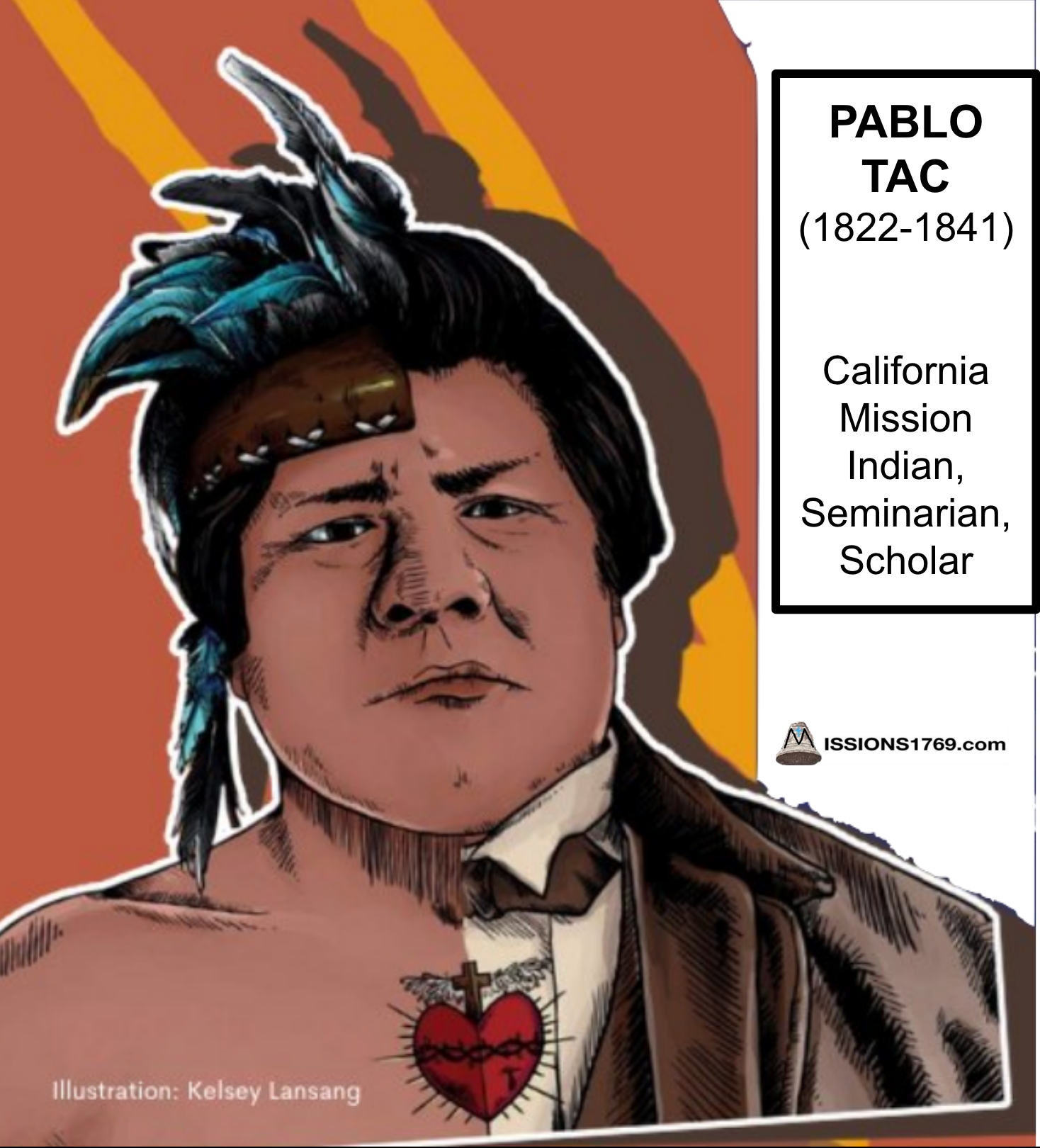
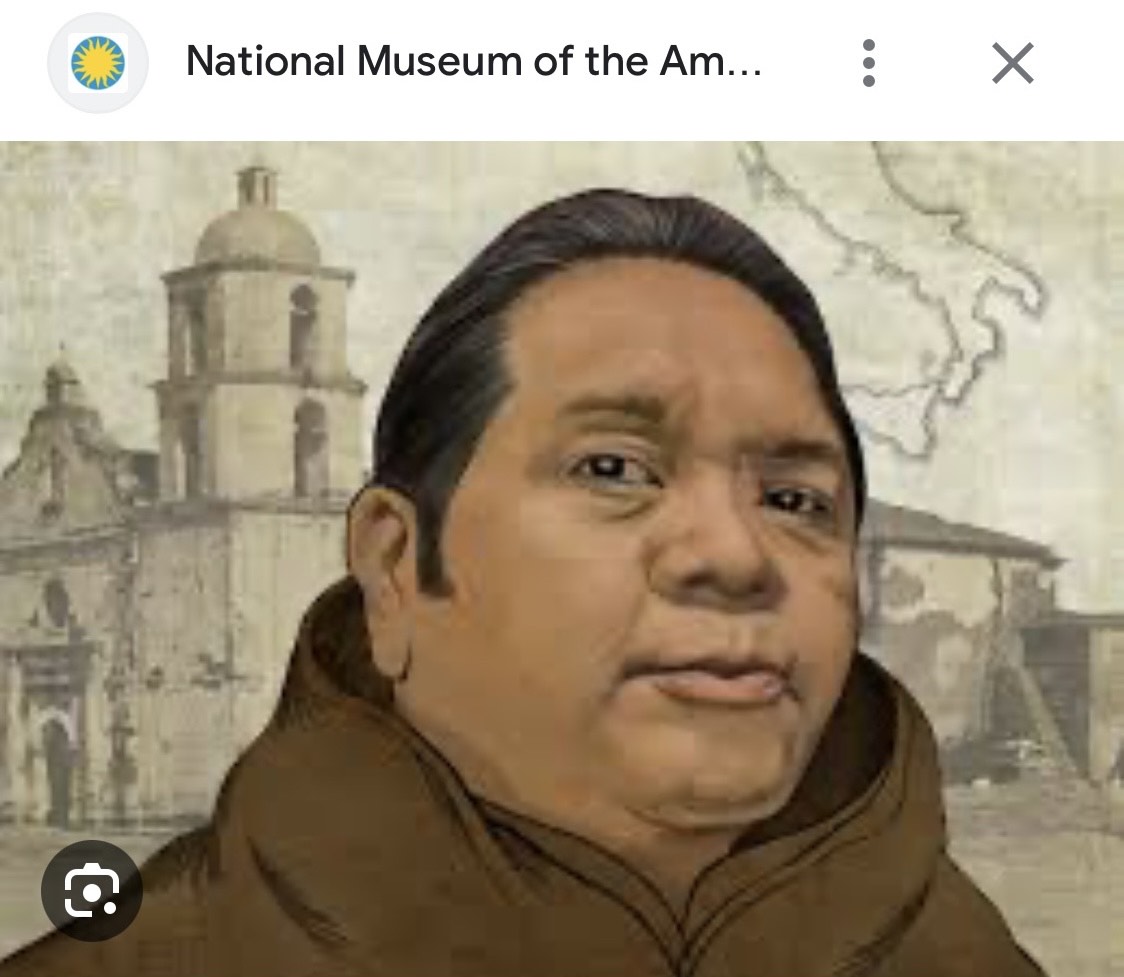
I propose to those who wanted Serra High School’s name changed rename it after a significant California Indian. Pablo Tac comes to mind. Never heard of him? That is a shame. His story should be taught to every school child in California. His writings are the earliest from a California Indian, written in Rome while a seminarian. The greatest recommendation I can make is to read online (free) the Writings of Junípero Serra to better understand what his vision was, motivations were, as well as his challenges, dreams, and successes.

_________

Christian Clifford is the author of books about Catholic Church history in Spanish and Mexican California. His latest, Pilgrimage: In Search of the Real California Missions, is about his 800-mile walk of the California Missions Trail. He can be reached at www.Missions1769.com.

_________

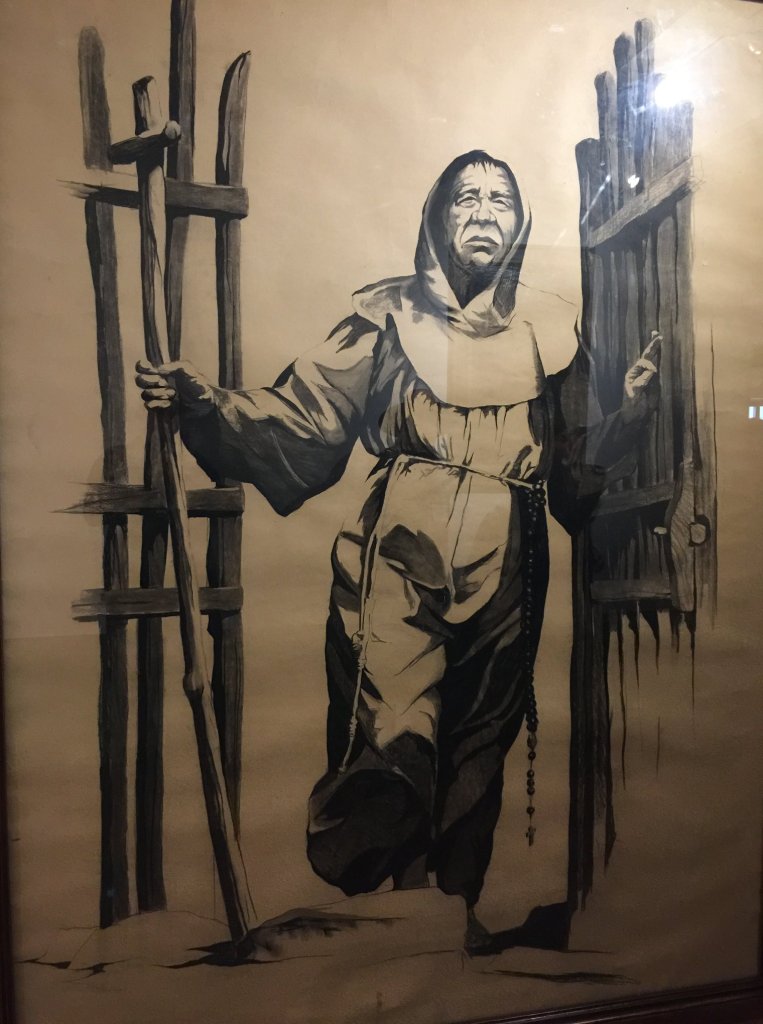
Image: Father Junipero Serra by Paul Whitman, 1933.

Resources: St. Junípero Serra & California mission history

I hope the resources on my website will help you learn about and teach this chapter in California history. It is by an educator who learned a lot by writing four books and articles about colonial California.

Included on my Resources page:

  • 10 Facts about Saint Junípero Serra
  • Discerning the Spirit of Saint Junípero Serra
  • Native Catholic Voices
  • Missions Timeline
  • Further Reading
  • Petition4PabloTac: Mission Indian, seminarian, scholar
  • Virtually visit the California missions on Missions1769 Flickr page.

¡Siempre adelante y nunca para atrás!

#GoGoStJunipero #PabloTacPray4Us #Forwardinmission

Pablo Tac Resources

PETITION

All are welcome to read, sign, and share the petition to nominate Pablo Tac for the cause of canonization at change.org/InvokePabloTac. #PabloTacPray4Us

BOOKS

Clifford, Christian. Meet Pablo Tac: Indian from the Far Shores of California. North Charleston, SC: CreateSpace, 2017.

Haas, Lisbeth. Pablo Tac, Indigenous Scholar: Writing on Luiseño Language and
Colonial History, c.1840. Berkeley: University of California Press, 2011.

Tac, Pablo. Pablo Tac, Conversion of the Saluiseños of Alta California (Conversión de los Saluiseños de la Alta California) (Rome, c. 1840), translated by Damian Bacich, San José State University, 2020.

ARTICLES

Clifford, Christian. “PABLO TAC: California Mission Indian, Seminarian, Scholar, and Saint-in-Waiting”, Boletín, Vol. 38, 1, 2022.

“Oceanside school named after Pablo Tac” in The San Diego Reader

“Get to Know Pablo Tac: A Remarkable Catholic American Indian” in Catholic Exchange

“Unveiling Potential Saints for the Americas” in The National Catholic Register

“‘Blueprint for Sainthood’ Seen in Native American Lives, Martyrdoms” in The National Catholic Register

“Catholic Educator and Author Campaigns for Remarkable, Holy California Mission Indian” in OsideNews

“You know of Junípero Serra but have you heard of Pablo Tac?” in Aleteia

INTERVIEWS

The powerful witness of Native American Catholics on CNA Newsroom.

VIDEOS

James Luna, Chapel for Pablo Tac, National Museum of the American Indian

Tac on TikTok @ youtu.be/UPwVtyUcODM

Introduction to Pablo Tac: California mission Indian, seminarian, and scholar @ youtu.be/DXhYcUFe3bg.

Dr. Kevin Schmiesing, Church historian and author, spoke about Pablo Tac on The Son Rise Morning Show

Pablo Tac Icon, By the hand of Andre J Prevost

​Commissioned by St. Thomas Aquinas Regional Secondary School,
North Vancouver, BC, Canada

Pablo Tac on CNA Newsroom

FOR IMMEDIATE RELEASE

Contact: missions1769(at)gmail(dot)com

Website: www.Missions1769.com

Story of California mission Indian Pablo Tac shared on award-winning podcast CNA Newsroom

San Mateo, CA — Christian Clifford, veteran Catholic school educator, has been on a quest to get the word out about Pablo Tac (1822-1841). He recently did just that while a guest on CNA Newsroom, an award-winning podcast of EWTN News, part of the largest religious media network in the world.

Pablo Tac was Luiseño Indian. He was born and raised at Mission San Luis Rey de Francia, located in present-day Oceanside, California. At the age of ten, he left the Mission with Fr. Antonio Peyrí and another Luiseño boy, Agapito Amamix. Their destination was Rome. On September 23, 1834, Pablo and Agapito enrolled at the Urban College. There they learned how to be missionary priests, hoping to one day return home to minister to their fellow Luiseño. 

Clifford, author of the only popular biography about the Mission Indian youth, Meet Pablo Tac, hopes that bringing attention to Pablo Tac will lead to more research being done. He believes there must be more to discover about him beyond what we know. 

Pablo Tac’s writings are the earliest from a California Indian. While in Rome studying for the Catholic priesthood, Pablo wrote a description of life as a mission Indian (“Conversion of the San Luiseños of Alta California”, c. 1835), gave a public recitation of a poem at the Polyglot Academy (c. January 1836), in Sequoyahesque fashion created a dictionary of the language of his people (“Prima Linguae Californiensis Rudimenta a P. Tak proposita”, c. February 1838), and wrote an account of the native peoples in Southern California (“De Californiensibus”, c. after 1838). 

Clifford realizes that unlike the first North American Indian saint, Kateri Tekakwitha (1656-1680), Pablo is little known. That does not seem to slow him down, though. He was overjoyed when he met Catholic Luiseños in July 2019 at the Tekakwitha Conference in Sharonville, Ohio who are aware of Pablo and follow in his footsteps. Also, a hall at Mission San Luis Rey was named after Pablo in 2012 and in June 2021 it was decided that an Oceanside public elementary school will take his name. He is confident that once people are made aware of his short life that it inspires, as attested by the over 500 Catholics and people of good will who have signed the petition to nominate Pablo Tac for the cause of canonization (an electronic version of the petition can be found at www.change.org/InvokePabloTac). The campaign has not yet received the support of the San Luis Rey Band of Mission Indians or the Diocese of San Diego.

Clifford, who finished walking the 800-mile California Missions Trail in the summer of 2020, made it a point to pray to and draw inspiration from Pablo Tac. He shares, “Pablo has the power to move hearts and minds.”

Listen to the podcast “Ep. 117: The powerful witness of Native American Catholics” at https://soundcloud.com/cnanewsroom. For more information about Christian Clifford, visit www.Missions1769.com. For a brief video on the life of Pablo Tac, go here.
###

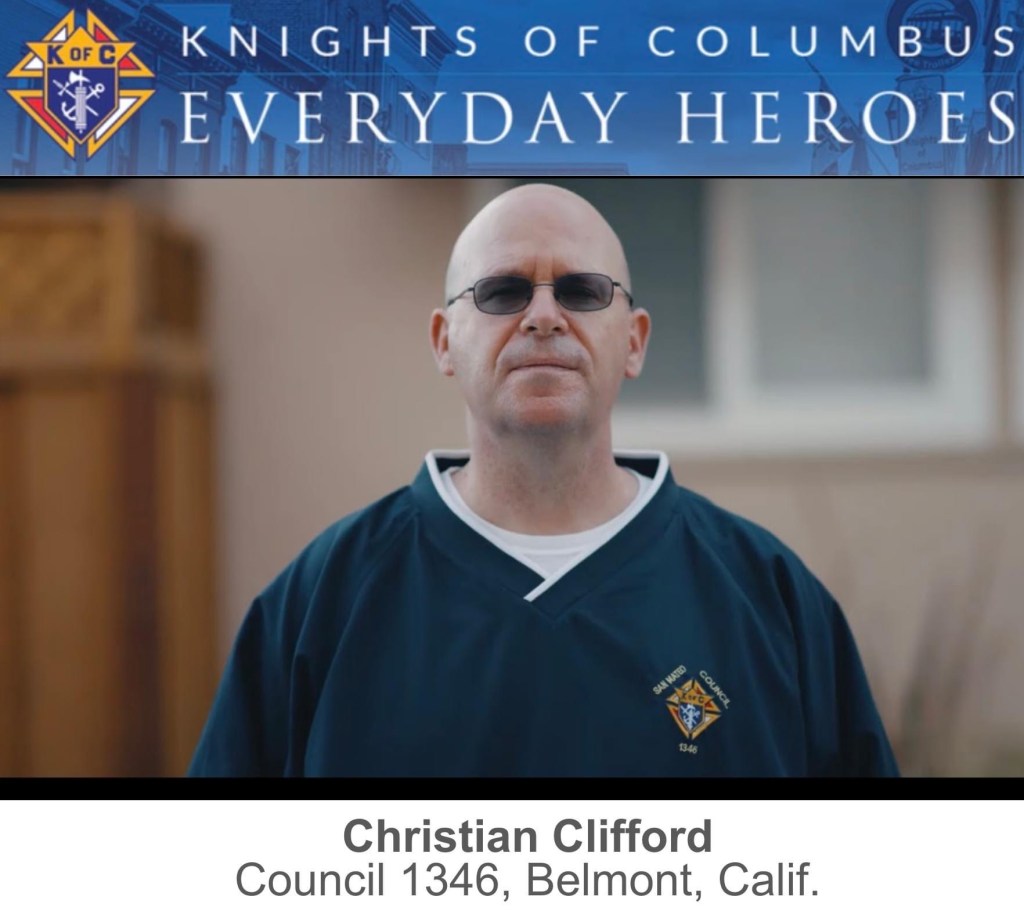
Californian Knight recognized as Everyday Hero

Californian Knight recognized as Everyday Hero for his 800-mile pilgrimage to the 21 California Missions 

San Mateo, CA — July 1 is the feast day of Saint Junípero Serra. Learn more about the holy friar, who soon-to-be Cardinal Robert McElroy of the Diocese of San Diego in 2015 called a “foundational figure” in California history, from a man who literally walked in his footsteps.

Christian Clifford, author of books about Spanish-Mexican history in California, was on a quest to visit all twenty-one California missions, on foot! When asked why he did it, he shared, “I visited all 21 missions by car so I thought it would be nice to walk the entire chain. Being a Catholic school teacher for over twenty years, my hope was to get as close to the lives of the amazing people who were the first Catholics in California—indigenous, Spanish, mestizo—with the hope of being a better Catholic and teacher.” He achieved his mission and is featured in the third season of the Knights of Columbus multipart series “Everyday Heroes”. 

The Knights of Columbus, founded in 1882, is a Catholic fraternal benefit society with over 2 million members worldwide. The series “Everyday Heroes”, according to the Knights of Columbus, “focus the spotlight on these remarkable Knights whose courage, faith and commitment to charity embody the mission of the Knights of Columbus.” Christian Clifford is a 3rd degree member of Council 1346, founded in 1908 and one of the first five councils founded in California. They meet at Immaculate Heart of Mary parish in Belmont.

Clifford began his 800-mile journey in May 2018, the year marking the 184th anniversary of Pablo Tac’s enrollment at the Urban College, Rome, where the Native American youth and scholar attended seminary (learn more about Pablo Tac here). The bulk of his miles were walked in 2019. Clifford teaches theology at Serra High School in San Mateo and 2019 marked the school’s 75th anniversary and the 250th anniversary of the founding of the first California mission at San Diego. Clifford finished his walk to the twenty-one California missions in June 2020 and believes it was appropriate, because 2020 marked the fifth year since the canonization of Junípero Serra. 

Specifics for Clifford’s pilgrimage along the California Missions Trail were approximately 800-miles walked over 45 days, and approximately 298 hours walking. Clifford also raised over $2000 on Facebook and GoFundMe for The Campaign for the Preservation of Mission San Antonio de Padua Foundation. Founded in 1771 by Saint Junípero Serra, the third of the twenty-one California missions is the remotest and for many a favorite because of its authenticity. Clifford believes, “The Mission is a gem. Future generations must know of the roots of modern California and the Spanish missions are those roots.”

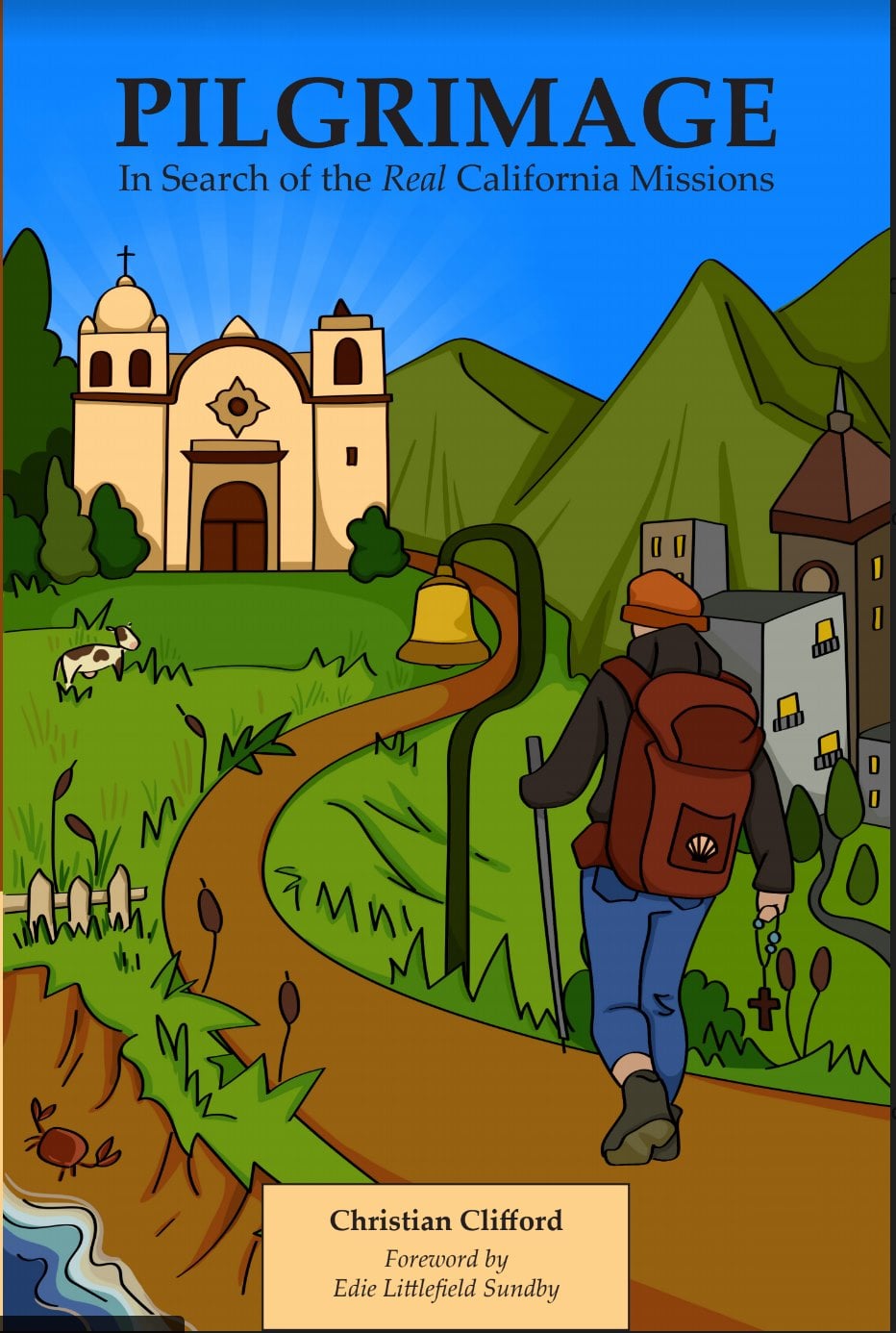
Clifford documented his adventure on the California Missions Trail in Pilgrimage: In Search of the REAL California Missions.

To watch the Everyday Heroes “Walking in the Footsteps of St. Junipero Serra” episode about Christian Clifford, visit here.  For more information about Christian Clifford visit www.Missions1769.com.
PRINTED in NORTH COAST CATHOLIC (DIOCESE OF SANTA ROSA), JULY/AUGUST 2022 (16).

Catholic Media Association Book Awards 2022

FOR IMMEDIATE RELEASE

Contact: missions1769(at)gmail(dot)com

Website: www.Missions1769.com

California mission history books author recognized at CMA Book Awards

San Mateo, CA — Christian Clifford, author of books about Spanish and Mexican history in California, received two Catholic Media Association Book Awards on July 7, 2022, during this year’s Catholic Media Association Conference in Portland, Oregon. The CMA Book Awards recognize the outstanding work of publishers, authors, and book editors that support the faith-filled life of Catholic readers.

Founded in 1911, the CMA describes itself as an “organization of Catholic publishers and media professionals united in the action of servicing the Catholic Church.” Its Facebook page notes that its membership includes “nearly 250 publications and 500 individuals. Member print publications reach 10 million households plus countless others through our members’ websites and social media outlets.”

Clifford’s writings have appeared in Aleteia, Angelus, Cal Catholic, California Teacher, Catholic Exchange, Catholic News Agency, Catholic San Francisco, ChurchPop, Crux,  Philippine Daily Inquirer, San Diego Reader, Today’s Catholic Teacher, among others. Clifford has been a guest speaker on radio and to school, church, and service groups. 

Clifford received a B.A. in Social Science from the University of Great Falls (Montana) and M.A. in Catholic School Teaching from the University of San Francisco. He has been a teacher in the schools of the Archdiocese of San Francisco since 1997. He lives in the San Francisco Bay Area with his wife and son.

Judges at the Catholic Media Association deemed the following:

2nd place in the category of Pilgrimages/Catholic travel Books

“This nicely designed account of the author’s 800-mile foot journey on the California Missions Trail includes renditions of period maps, photographs of key people involved in the establishment and operations of the missions, and the author’s reflections. Each chapter also includes information about the experiences of the founding friars and the Native peoples as well as the author-pilgrim’s experience.”

3rd place in the category of Newly Canonized Saints

“This book was very informative with cute illustrations. It was written in first-person narrative, so that it sounds like an autobiography, and follows the life of the saint and those whom he influenced. The language was easy to understand. I enjoyed this simple explanatory book that detailed the history and relationships of this canonized saint.”

###